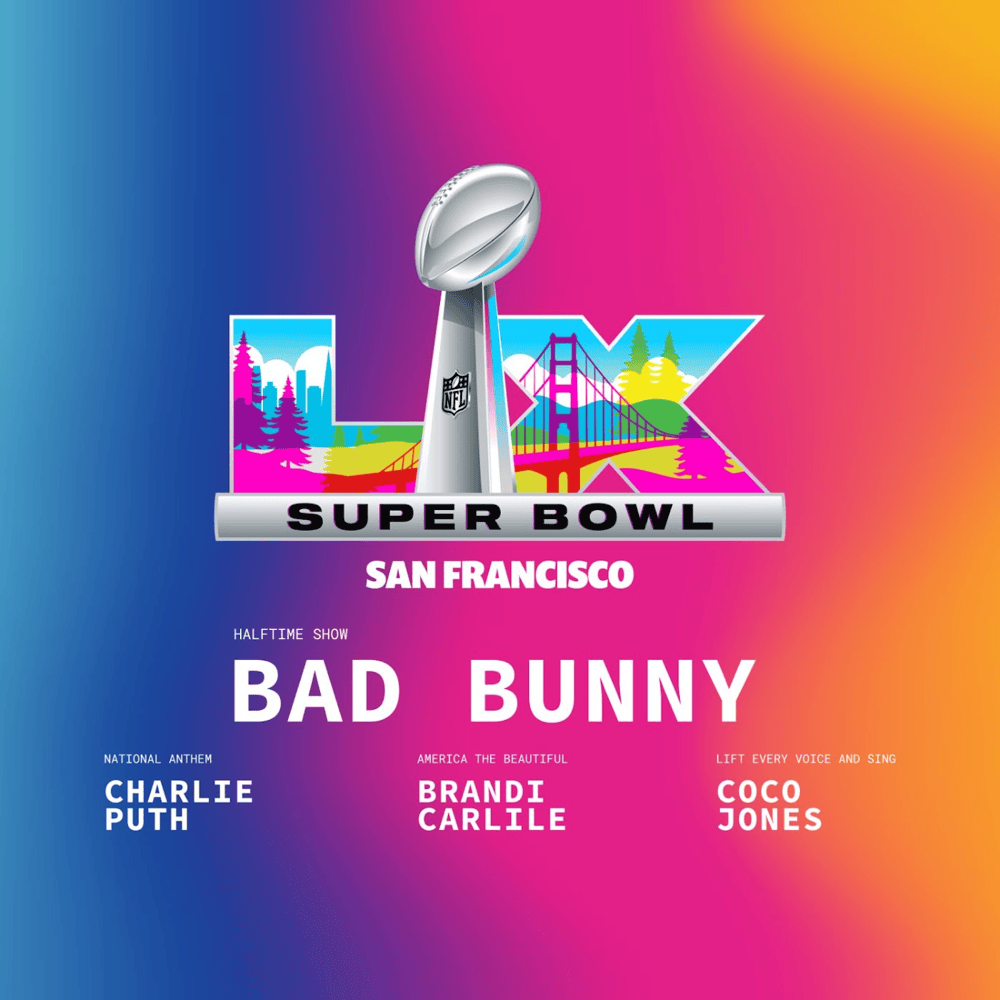
Bad Bunny Halftime Show Translation: Unpacking Every Explicit Lyric
The Super Bowl Halftime Show is arguably the biggest musical stage in the world, a spectacle watched by millions across diverse demographics. When Bad Bunny took center stage for Super Bowl LX, alongside icons like Lady Gaga and Ricky Martin, he delivered a performance that was undeniably electrifying, brimming with his signature charisma and pulsating rhythms. But beyond the lights and choreography, the performance also brought a torrent of raw, unfiltered Spanish lyrics that left many English-speaking viewers either bewildered or intrigued about their true meaning. For those wondering, "What exactly did Bad Bunny say?" – a Bad Bunny Halftime Show Translation reveals a no-holds-barred narrative of desire, promiscuity, and unbridled celebration that is deeply rooted in his artistic persona and the reggaeton genre.
While the halftime show famously included a powerful message of unity and Latino pride – a crucial aspect discussed in our related article, Bad Bunny Halftime Show: Decoding His 'America' Unity Message – a significant portion of his lyrical delivery was a vibrant, often explicit, dive into themes of modern relationships, sexual liberation, and hedonism. This article will dissect those explicit lyrics, offering a comprehensive Bad Bunny Halftime Show translation and analysis that goes beyond the surface to understand the cultural context and artistic intent behind his bold choices.
The Uncensored Truth: Bad Bunny's Halftime Lyric Breakdown
Bad Bunny's performance was a masterclass in capturing the essence of his music, bringing the vibrant, often explicit, world of Latin trap and reggaeton to a global audience. His selections featured tracks that are synonymous with his reputation for candid storytelling and a playful, yet potent, exploration of sexual themes. The translation reveals a narrative far removed from the sanitized pop often expected on such a grand stage.
The Casanova Persona: "A Lot of Girlfriends" and Fleeting Romances
A recurring theme in Bad Bunny's set was the portrayal of a modern-day Casanova, unafraid to boast about his numerous romantic conquests. Lines like, "Auntie asked me if I have a lot of girlfriends, ayy, a lot of girlfriends / Today I have one, tomorrow I'll have another, heh, but there's no wedding" immediately set a tone of fleeting, commitment-free relationships. This isn't just a simple statement; it's a declaration of independence from traditional romantic expectations, resonating with a generation that often values personal freedom over conventional partnerships. He name-drops a variety of female names – "Gabriela's, the Patricia's, the Nicole's, the Sofía's" – reinforcing the breadth of his romantic interests, from kindergarten crushes to international flings from Colombia, Mexico, San Antonio, Puerto Rico, and Barcelona.
His lyrics paint a picture of a man desired globally, "I've got a Colombian who writes me every day / And a Mexican I didn't even know about / Another one in San Antonio that still loves me / And the ones from PR that are all mine." This global appeal underscores his superstar status, yet the emphasis remains on casual encounters and personal gratification. The provocative line, "The one from Barcelona that came by plane / And says that my dick is fire," is a clear example of the raw, unapologetic sexuality woven into his narrative, pushing boundaries on what’s publicly acceptable, especially for a mainstream audience.
Unapologetic Sexuality: Bold Declarations and Desire
Bad Bunny doesn't shy away from explicit sexual references, often using colloquialisms that are direct and unambiguous. The phrase, "My D is being chased and I want you to hide it / Grab it like a bonga," leaves little to the imagination, expressing a raw, carnal desire. Similarly, the description of a woman who "took a pill that made her horny / She fucks in the Audi, not in the Honda, ayy" not only alludes to drug use but also juxtaposes luxury with casual sex, highlighting a certain lifestyle where inhibitions are shed.
The lyrics also convey a transactional or non-committal approach to intimate encounters: "If I give it to you, don't call me / 'Cause this is not to make you love me." This line speaks to a desire for physical pleasure without emotional attachment, a theme common in contemporary urban music but rarely broadcast on such a massive, family-oriented platform. His celebration of female agency, even in these explicit contexts, is notable too. For example, "When she twerks she doesn't stop / She smokes and gets horny, ayy / She'll call you if she needs you, ayy / But for now she is alone," portrays a woman in control of her desires, enjoying her freedom and sensuality on her own terms.
Party Anthems and Reckless Abandon: "Party, Party, Party"
The underlying current throughout the explicit lyrical journey is an invitation to a relentless party, a world of hedonism where rules are relaxed, and enjoyment is paramount. "Welcome to the biggest party in the whole world," he declares, encapsulating the vibe. Phrases like, "We're gonna have a great time / Nobody's getting married here / But you're gonna want to stay, ayy / Take advantage, I'm single, single," reinforce the temporary, joyous nature of these encounters. The call to "Twerking without fear / No, chill, I twerk alone" embodies self-expression and uninhibited movement, a staple of reggaeton culture.
Even the iconic line, "She likes the gasoline / Give me more gasoline," while seemingly innocuous, within the context of Daddy Yankee's original hit, is understood as a metaphor for a woman's insatiable desire for dancing, energy, and, implicitly, passion. These lyrics, delivered with conviction and swagger, are not merely words; they are an embodiment of the reggaeton genre's spirit – a celebration of life, sensuality, and freedom that often includes explicit language as a form of authentic expression. For a broader look at how these lyrics intertwine with his identity, consider Bad Bunny Super Bowl Halftime: Lyrics, Latino Pride & Unity Message.
Cultural Context and Artistic Intent: Beyond the Profanity
Understanding Bad Bunny's explicit lyrics requires looking beyond the literal translation to grasp their cultural significance and artistic intent. In the Anglo-Saxon mainstream, such language on a global stage can be shocking, but within the Latin urban music scene, it often serves different purposes.
Latino Pride and Authenticity
Bad Bunny’s performance, including its explicit elements, is deeply intertwined with a celebration of Latino identity. His music is raw, authentic, and reflective of street culture and contemporary relationships within many Latin American communities. The use of explicit language, while controversial to some, is often seen by his fans as a sign of authenticity, a refusal to sanitize his art for a wider audience. It's a bold statement that says, "This is who I am, this is my culture, and I'm bringing it to you unvarnished." This authenticity is a cornerstone of his massive appeal, allowing listeners to connect with a genuine artist rather than a manufactured pop star. His choice to perform predominantly in Spanish, despite the global audience, further emphasizes this commitment to his roots and cultural identity.
Challenging Norms and Mainstream Expectations
The Super Bowl Halftime Show has a long history of controversial moments, from Janet Jackson's "wardrobe malfunction" to M.I.A.'s middle finger. Bad Bunny's explicit lyrics, while less visually scandalous, fit into this tradition of artists pushing boundaries and challenging the often conservative expectations of the NFL and its advertisers. By delivering unfiltered content, Bad Bunny disrupted the sanitized pop narrative often prevalent at such events. This act can be interpreted as a deliberate artistic choice to expose a global audience to the unedited reality of his genre and persona. It forces a conversation about what is considered "appropriate" for mass consumption and who gets to decide that. His performance, in its entirety, was a powerful declaration of artistic freedom and cultural pride, asserting the presence and vitality of Latin music and its distinctive voice on one of the world's most visible platforms.
The Impact of an Explicit Halftime Show: Controversy and Conversation
A performance like Bad Bunny's, featuring explicit lyrics on a stage as enormous as the Super Bowl, inevitably sparks widespread discussion and, for some, controversy. The reactions highlight the ongoing tension between artistic expression, cultural authenticity, and mainstream media expectations.
Navigating Parental Concerns and Media Scrutiny
For many parents watching with their children, the explicit nature of Bad Bunny’s lyrics, even if not fully understood in translation, raised concerns about exposure to mature themes. Super Bowl broadcasts are typically family-friendly events, and the inclusion of uncensored sexual content can lead to complaints and calls for greater oversight. Media outlets often dissect such performances, leading to debates on responsibility, censorship, and the role of popular music in shaping cultural norms. However, for a significant portion of the audience, particularly younger viewers and fans of Bad Bunny, the lyrics were either expected, celebrated as authentic, or simply part of the entertainment, indicating a generational and cultural divide in perception.
The Power of Unfiltered Expression in Pop Culture
Despite potential backlash, Bad Bunny's decision to deliver unadulterated lyrics also served as a powerful statement on unfiltered artistic expression. In an era where artists often face pressure to conform or self-censor for broader appeal, his performance was a defiant embrace of his identity and genre. It demonstrated that authentic, boundary-pushing art can thrive even on the largest global stages, forcing mainstream culture to grapple with diverse voices and perspectives. This incident underscores how art, even when deemed explicit, can ignite crucial conversations about cultural understanding, freedom of speech, and the evolving landscape of popular entertainment.
The Bad Bunny Halftime Show was more than just a musical interlude; it was a cultural event that presented the full spectrum of his artistry, from his explicit lyrical content to his profound messages of unity. By dissecting the Bad Bunny Halftime Show translation, we gain a deeper appreciation for the nuances of his performance and its lasting impact on both music and cultural dialogue.